The World Reflected Back
In conversation with Viktor Fordell
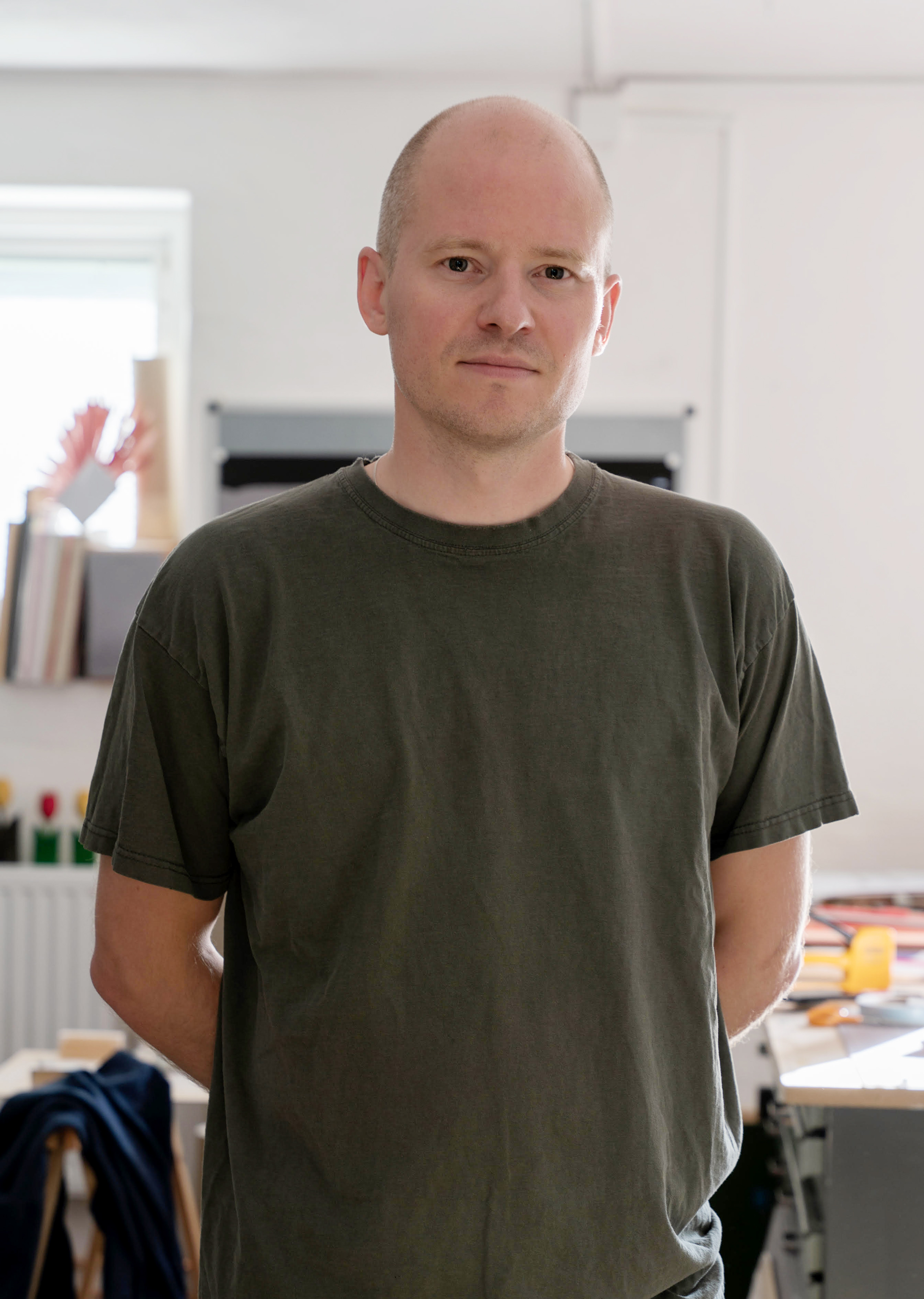
Viktor Fordell’s practice spans photography, collage, sculpture, and found objects, often focusing on the overlooked poetics of urban space. We recently spoke to him about reflections, transformation, and if a photograph is ever really done. Read more of our conversation below.
Towards: A theme I find myself continually returning to with your work is the idea of rendering invisible or often overlooked spaces visible. Your recent photographs examine peripheral spaces or transitional moments within the built environment – spaces and moments we potentially encounter every day while very rarely consciously registering them. I was hoping you could speak a little more about what draws you to these types of spaces, moments, and images, and what they potentially hold for you?
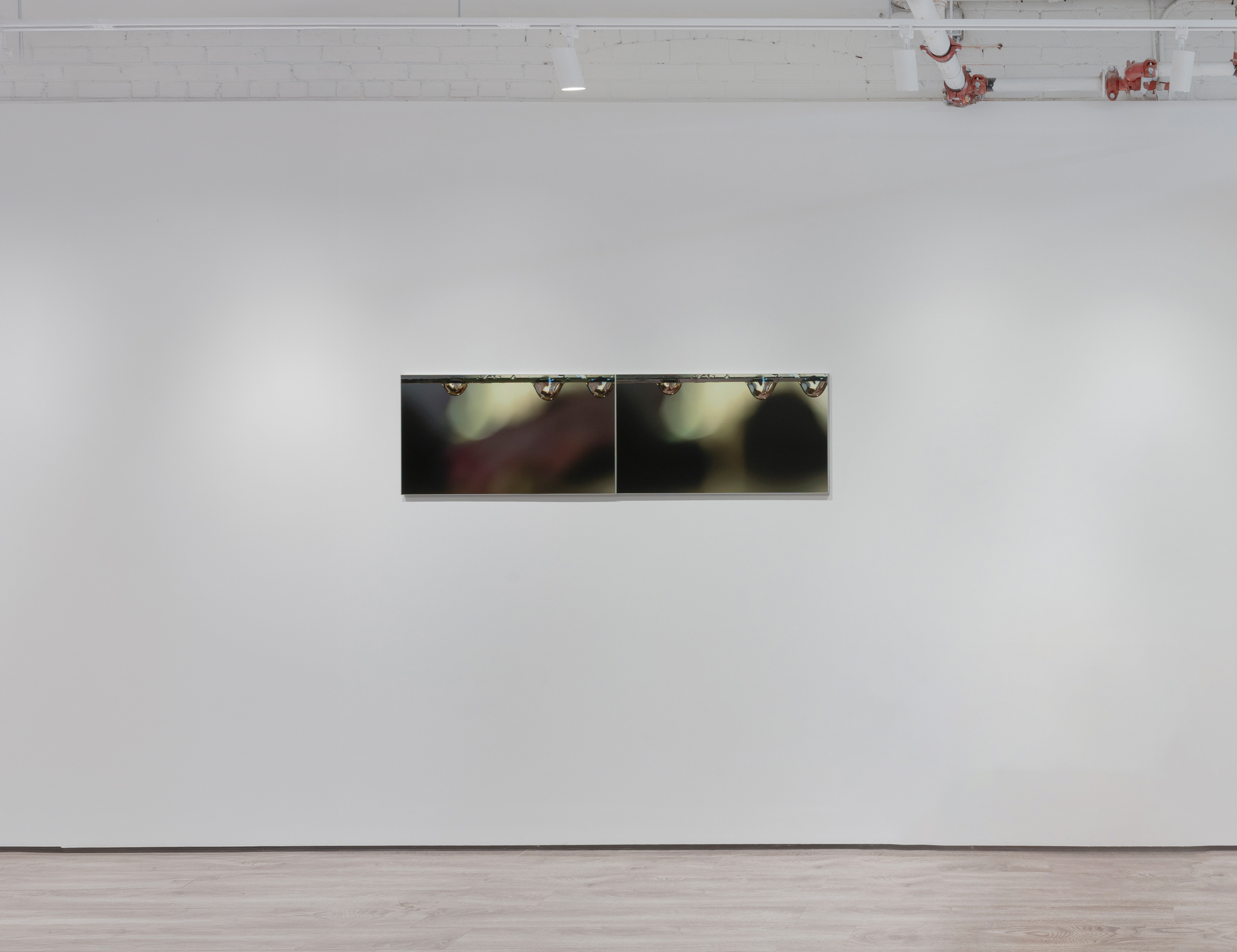
Installation view, Torwards Gallery
2026
Viktor Fordell: I don’t actually think about them as overlooked spaces, just that they are just places I pass almost every day. I spend a lot of time walking the same streets, and sometimes I have to pass a place hundreds of times before I suddenly notice something I hadn’t seen before. I think that’s one of the reasons photography suits me. Most of my work starts that way, and that is also how the Waterdrop series began.
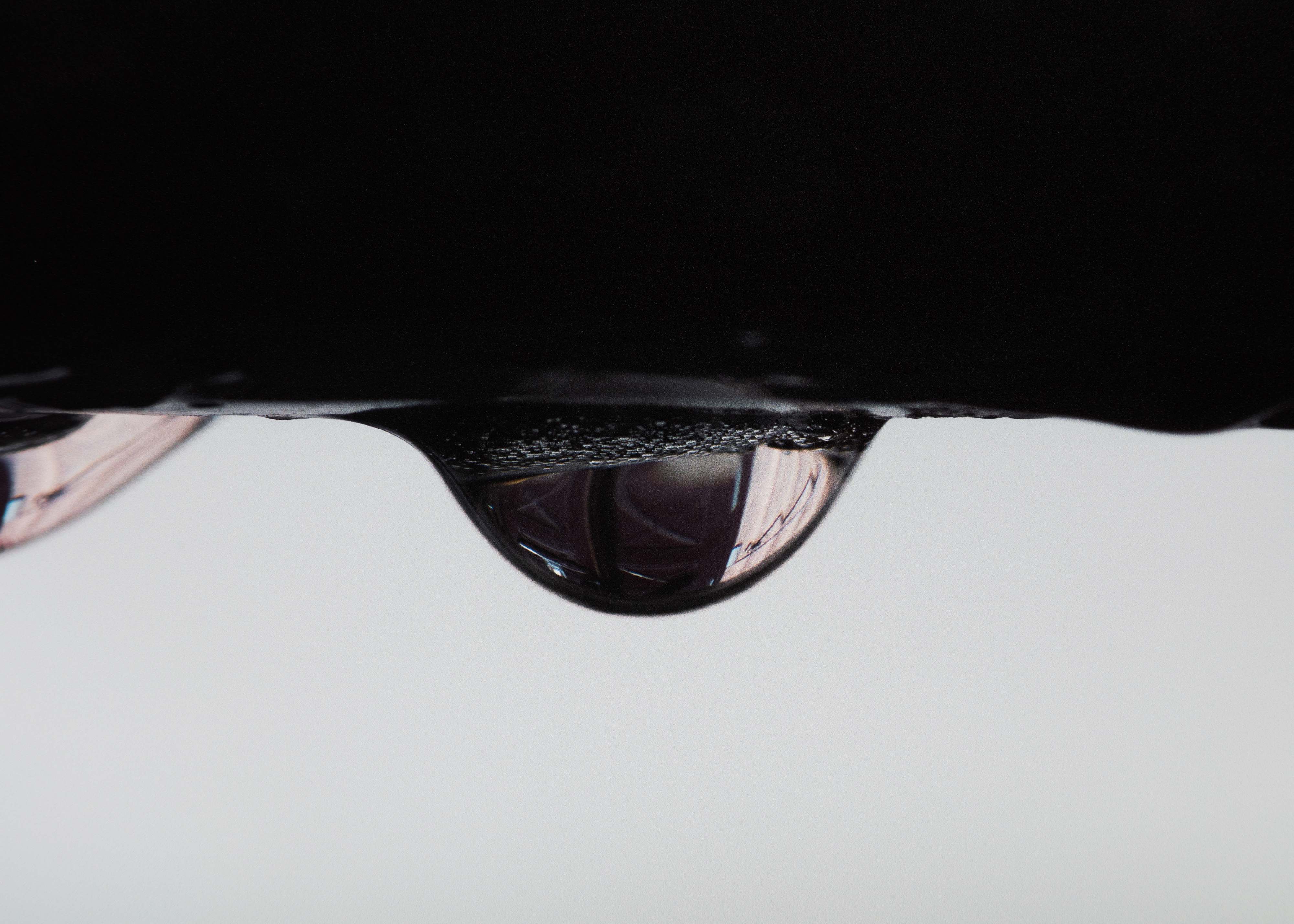
I became fascinated by the fact that these tiny droplets could somehow contain an entire building or situation.
The more I photographed them, the more I realized they kept showing me places I thought I already knew in a completely different way.
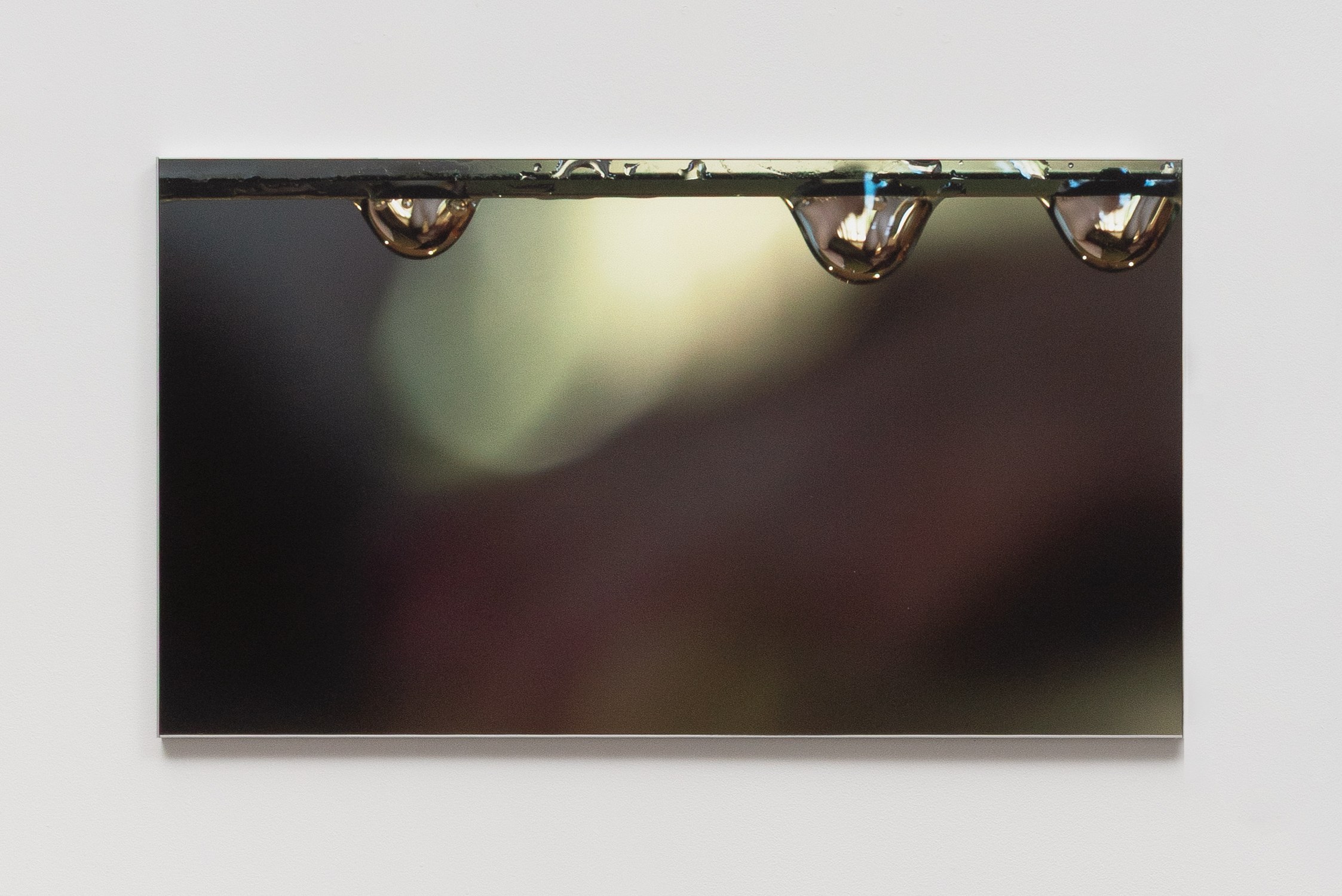
Waterdrops 5, 2025
Giclée print, mounted on dibond, in artist's frame
18 x 31½ x ¾ in.
Towards: Another theme that I keep returning to in your work is the act of perception itself—thinking through how we identify, organize, and interpret sensory information. Uta Barth has described her photographs as creating a space in which viewers can “immerse themselves in the act of seeing,” and I found myself thinking about your work in similar terms. Could you speak a little about your process, and some of both the formal and conceptual considerations you were working through in the Waterdrop series?
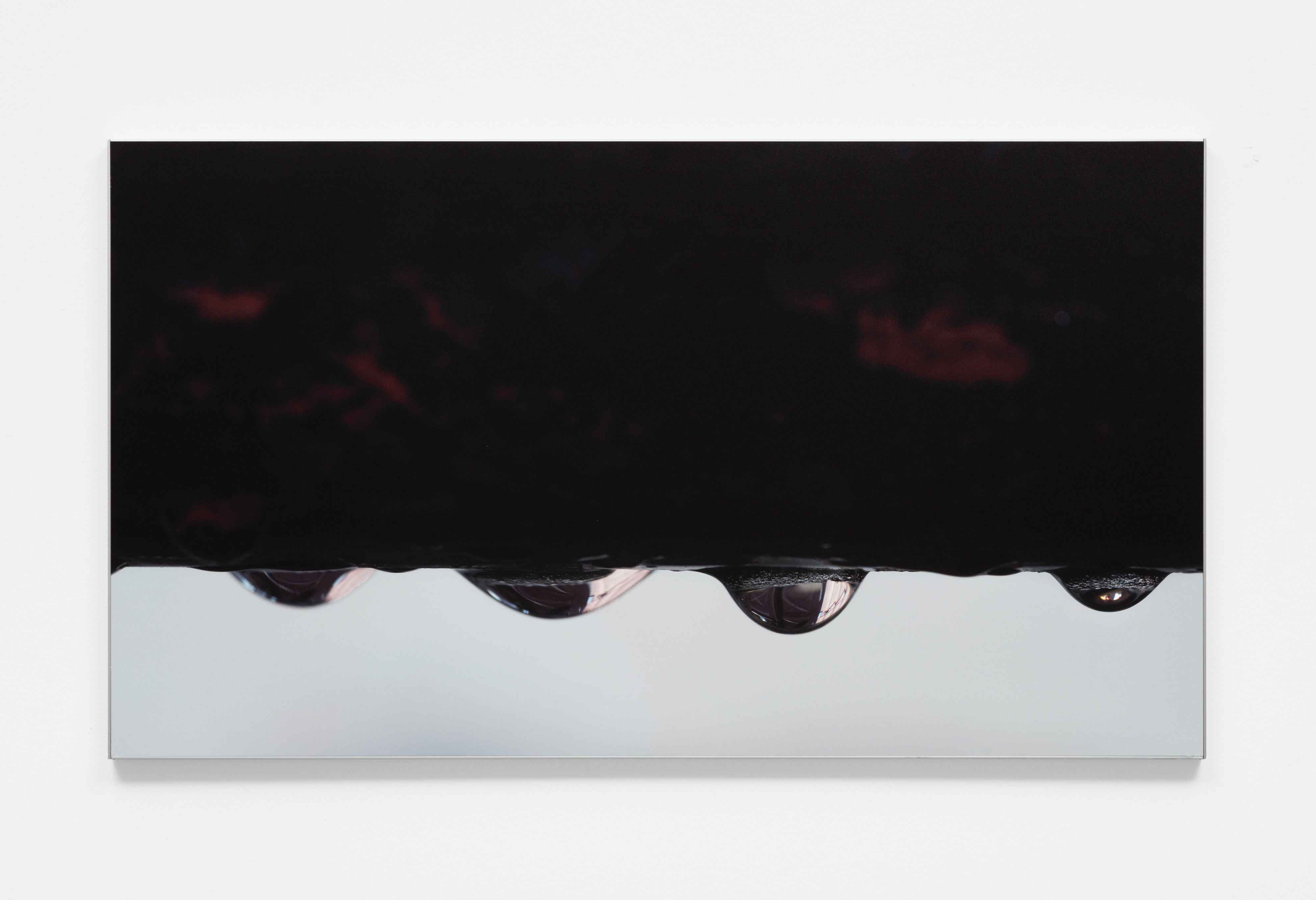
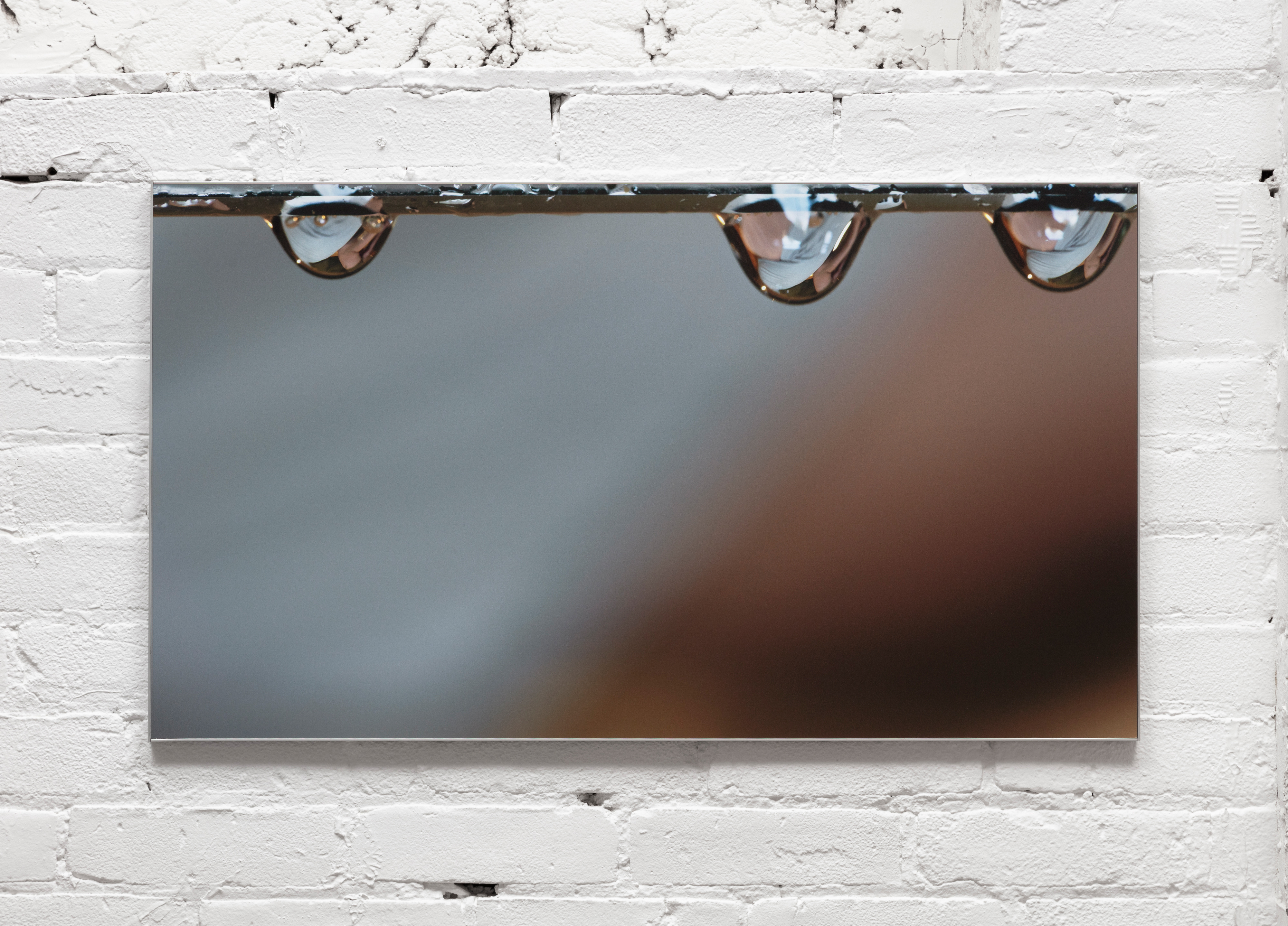
Waterdrops 4, 2025
Giclée print, mounted on dibond, in artist's frame
18 x 31½ x ¾ in.
Viktor Fordell: In the beginning I was much more occupied with what the camera was showing me. The droplets are too small to see with the naked eye, so I needed the camera to understand what was happening inside them. Every time I looked through the camera there was always an element of surprise because I never knew exactly what I was going to find.
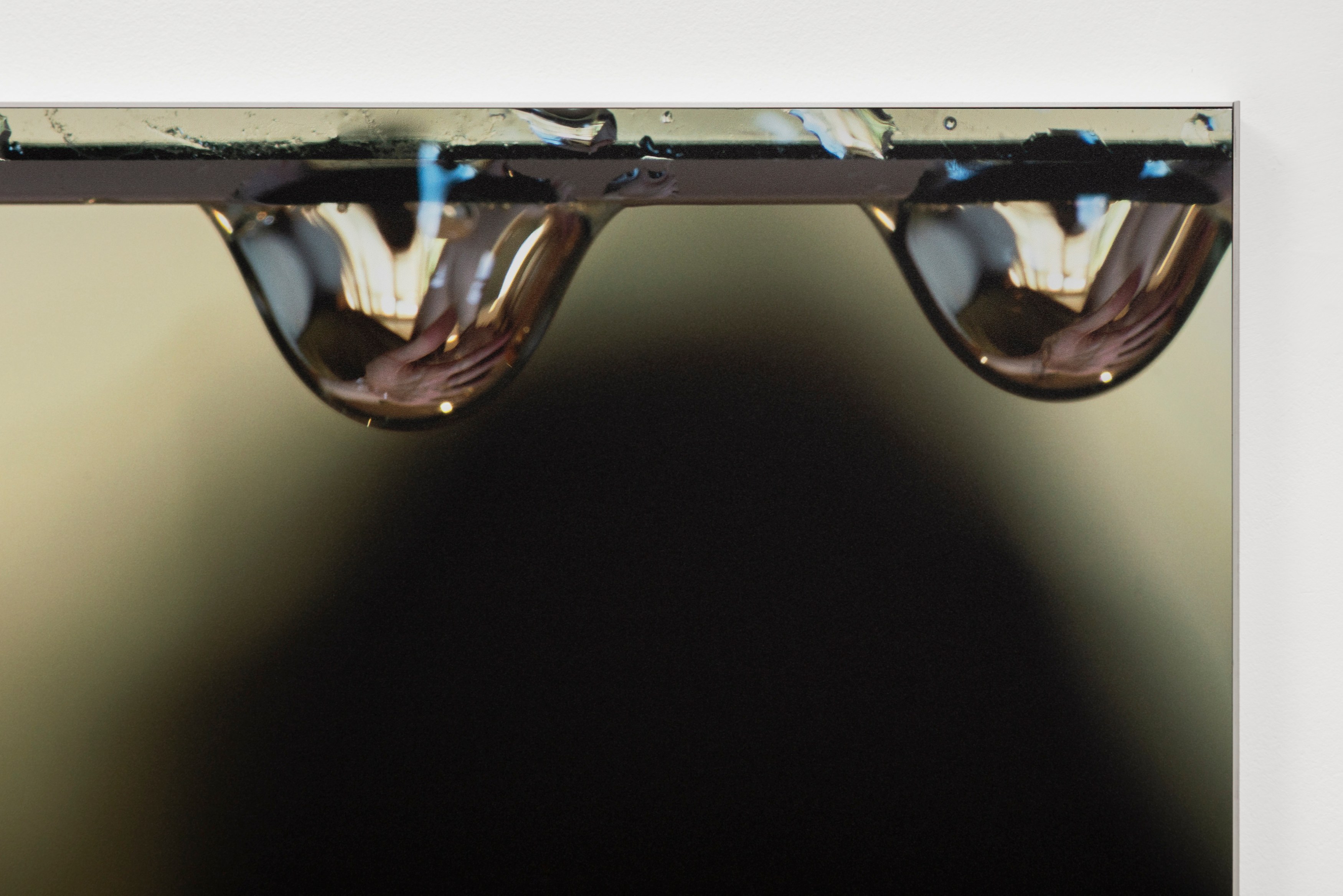
Depending on where I placed the focus, the images changed completely. Sometimes I was focusing on the surface of the droplet itself, so it became its own microcosmos, viewed only from the outside. Other times I focused through the droplet, revealing several perspectives of the same scene at once.
Giclée print, mounted on dibond, in artist's frame
Reflections have become a recurring element in a lot of my recent work. I think one of the reasons is that they always create a slight distance between the viewer and what's being seen. You're never really inside the scene; you're always looking at it from the outside...
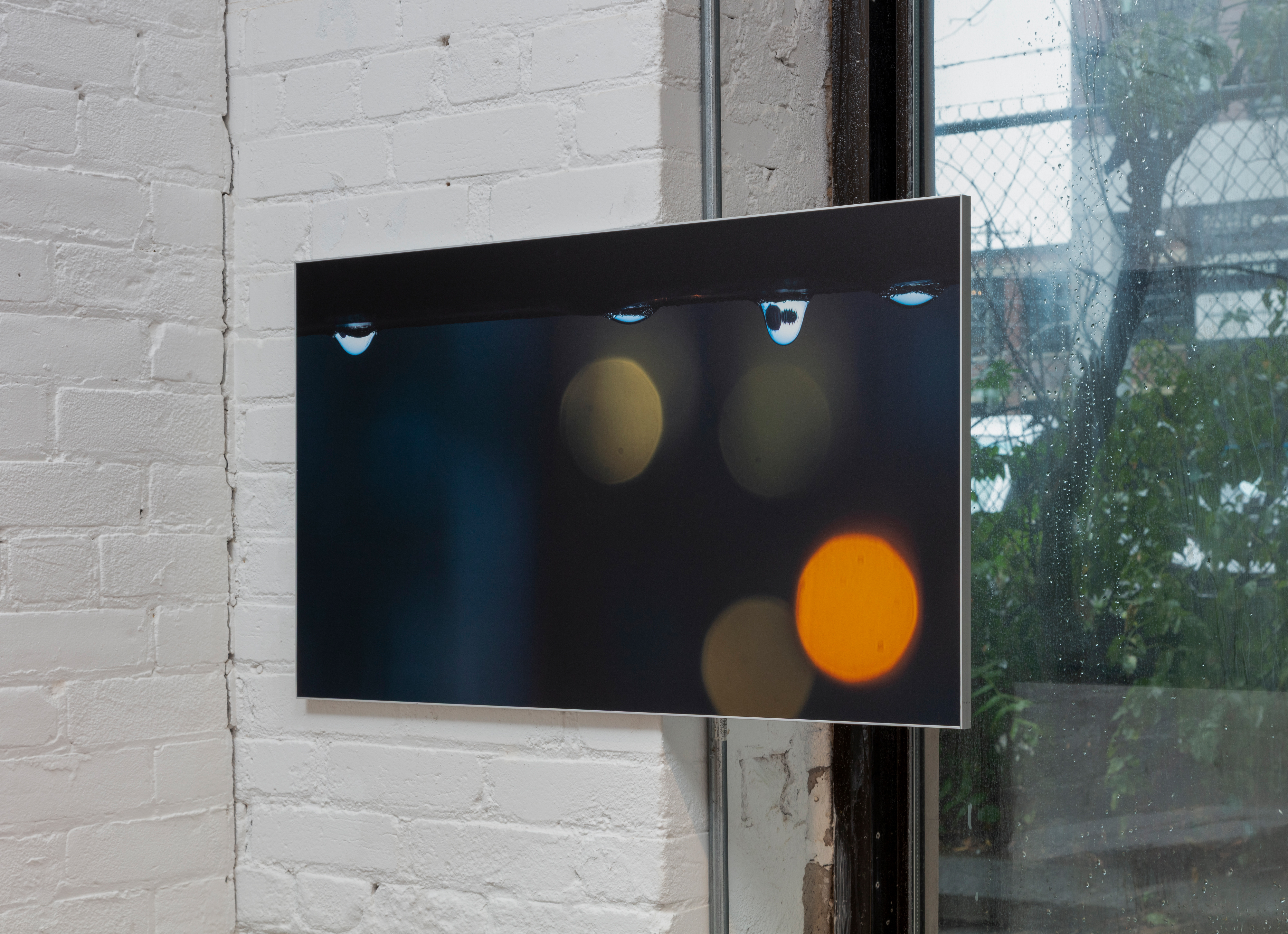
Waterdrops 8, 2025
Giclée print, mounted on dibond, in artist's frame
18 x 31⅝ x ¾ in.
The reflections in the droplets are inverted and unpredictable, so I could never fully control what they were going to look like. That element of chance became an important part of the process.
One thing I also liked about making these photographs was how close they came to becoming kitsch. I found that tension really interesting. Normally I would probably move away from something that looks too perfect, but these images kept pulling me back, and I found myself wanting to push them even further in that direction.
Giclée print, mounted on dibond, in artist's frame
Towards: Throughout your practice, many of your images have this unique effect – taking the familiar and making it feel foreign. Whether through scale, framing, cropping, or other formal devices, there is a transformation that occurs, shifting a viewer’s relationship with a thing. I’m curious as to how much of this is a conscious strategy as opposed to simply a by-product of making the type of images you are interested in making?
Viktor Fordell: I’m very interested in what happens when I spend more time looking at something ordinary. Sometimes that slight shift in attention is enough for something familiar to start feeling a little unfamiliar.
I’m drawn to the idea of offering a different perspective on everyday situations and ordinary objects. Once you’ve seen something in a new way, it’s often difficult to see it the same way as you did before.
So I think it’s less of a strategy than something that emerges through the process of making the work.
Towards: Lately I’ve been very interested in this tension between the very fixed nature of a photographic image and our understanding of the often elusive and fleeting nature of the moments they capture. As someone who is constructing images that touch upon not only this tension – but also perhaps the vastness and inherent possibilities within each moment – I’d be curious to hear how you think about this.
Viktor Fordell: For me, a photograph is never really finished once it’s taken. The image itself may stay the same, but my relationship to it keeps changing. In that sense, making the photograph is only part of the process. Sometimes it takes months or even years before I begin to understand why I was drawn to a particular image in the first place.
It was only after I finished the Waterdrops series that I came across the idea of Indra’s Net. It imagines a vast net with a jewel at every intersection, where each jewel reflects every other jewel. The reflections continue endlessly, expressing the idea that everything exists in relation to everything else, and that whatever affects one jewel also affects all the others. I wasn’t thinking about it while making the work, but when I read about it, it felt strangely familiar. It felt like it captured something I had been drawn to without really knowing why.
It didn’t explain the work, but it gave me another way of thinking about it.
All images courtesy of the artist and Towards Gallery