The Unfixed Qualities of Memory
In conversation with Matt Schust
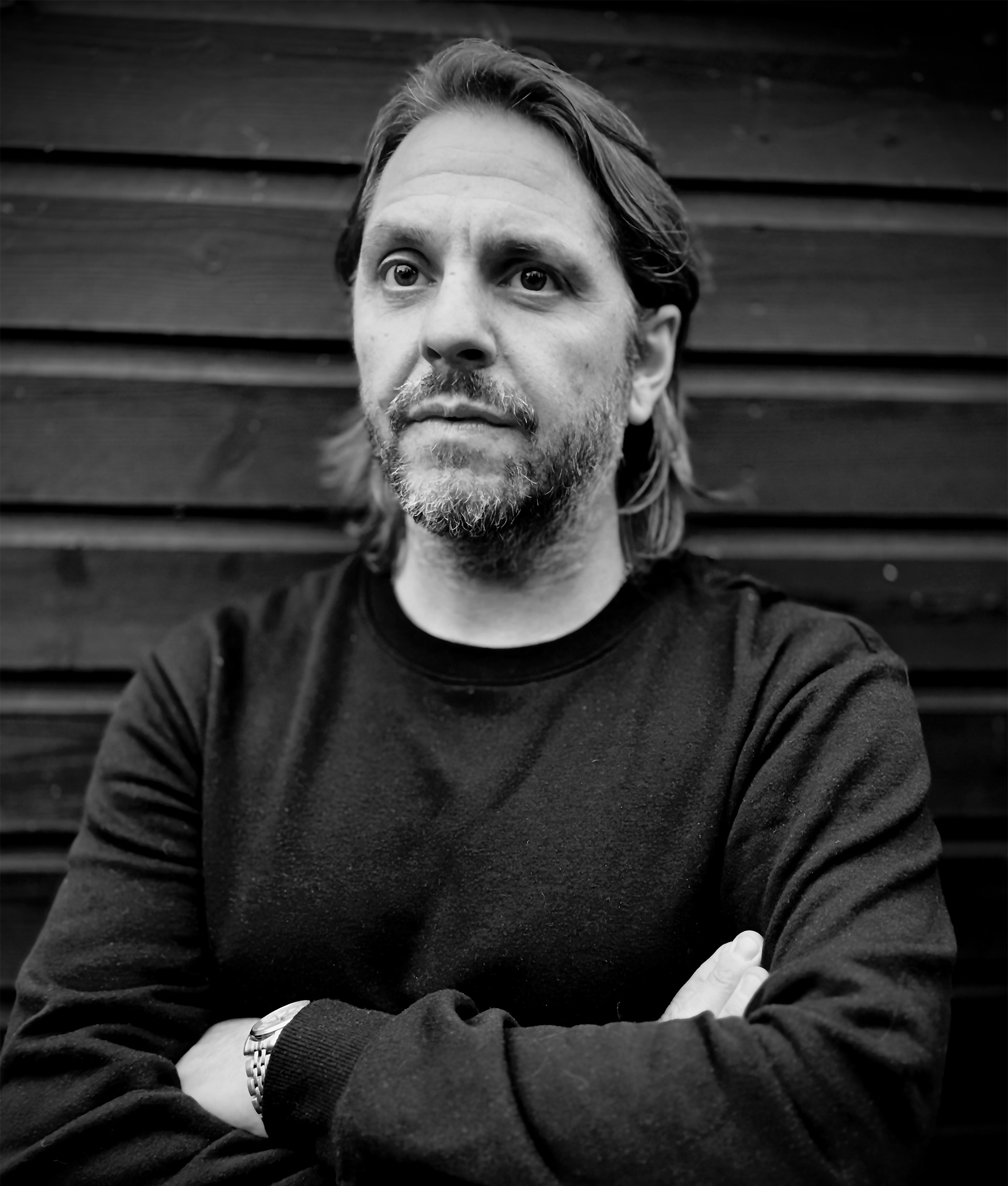
Matt Schust is a Canadian painter whose work explores themes of memory, place, temporality, and the ways in which meaning is made.
During a recent studio visit we had the chance to speak with him about the slippery nature of reality, the abstract foundations of all art, and his ongoing search for a homebase.
Towards: As someone who has admired your paintings for years, it has been interesting to see the evolution from the earlier, purely abstract works to these recent, more representational paintings. Can you talk a little bit about the evolution within your practice?
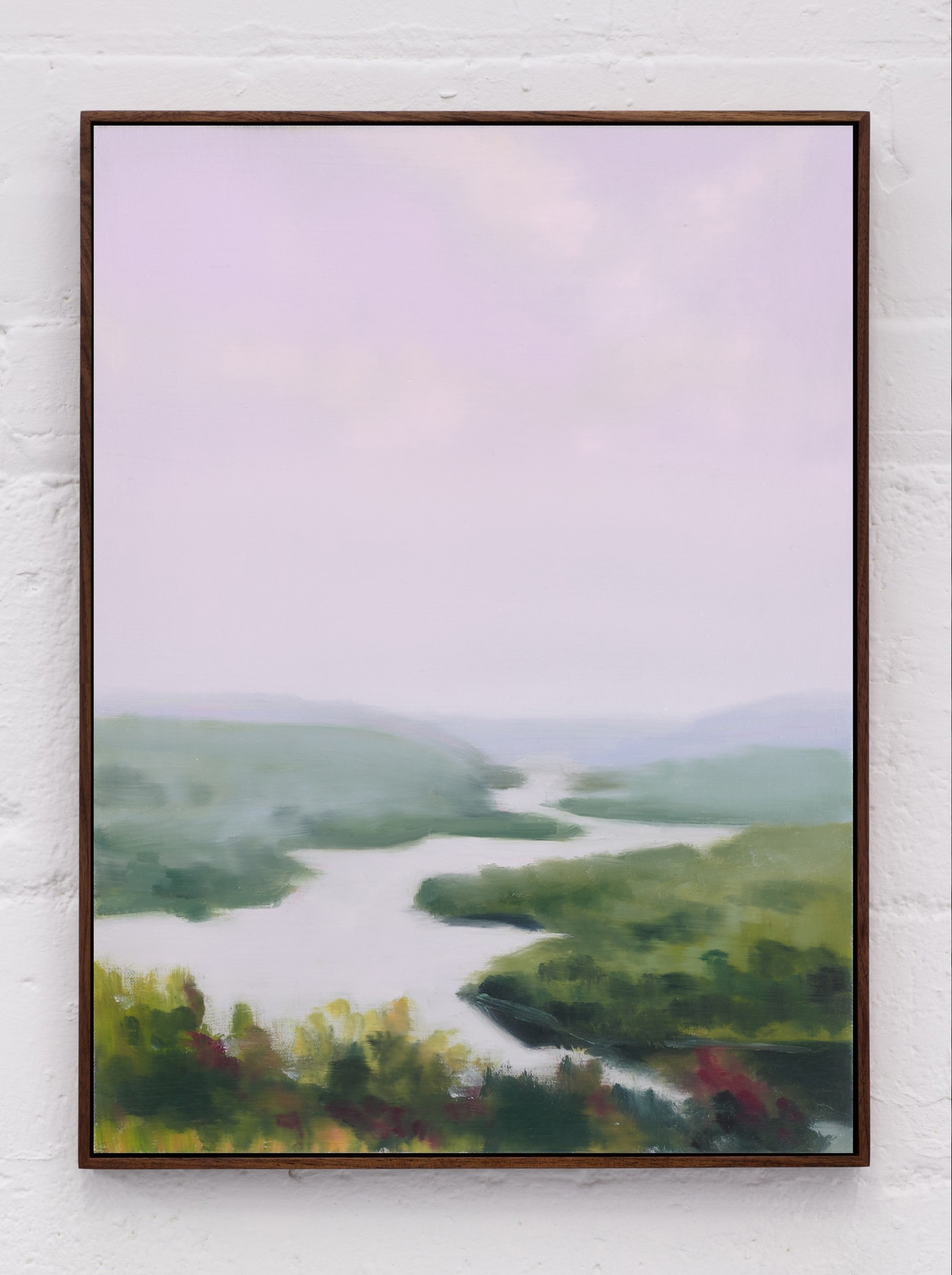
Oil on canvas | 16 x 12 in
Matt Schust: After spending many years engaging primarily with abstraction, my practice was starting to feel a bit nihilistic and esoteric – which was never my desire or intention. It felt like I was playing a game intended for many players, only to discover I was sitting at the table by myself. I remain committed to abstract work, while the inclusion of representation has largely been about me wanting to open up, to be more giving to a would-be viewer. Art is social after all.
The truth is that all painting is abstract...it all has to do with questions of how meaning is generated by the artist and the viewer, whether as a result of subject matter, the handling of materials, or methods of depiction...
Towards: Tell me about your image selection process.
Matt Schust: My intention is to build a narrative that runs through all my work, which is purposefully open and ambiguous – something you can feel, if not directly name. Because of this, the images I’m compelled to work with as starting points are not necessarily related by time, subject, or experience. There is typically a formal or emotional connection that unites them. Whether personal or found, there will be something that I’m compelled to understand through the painting process that drives the whole thing forward.
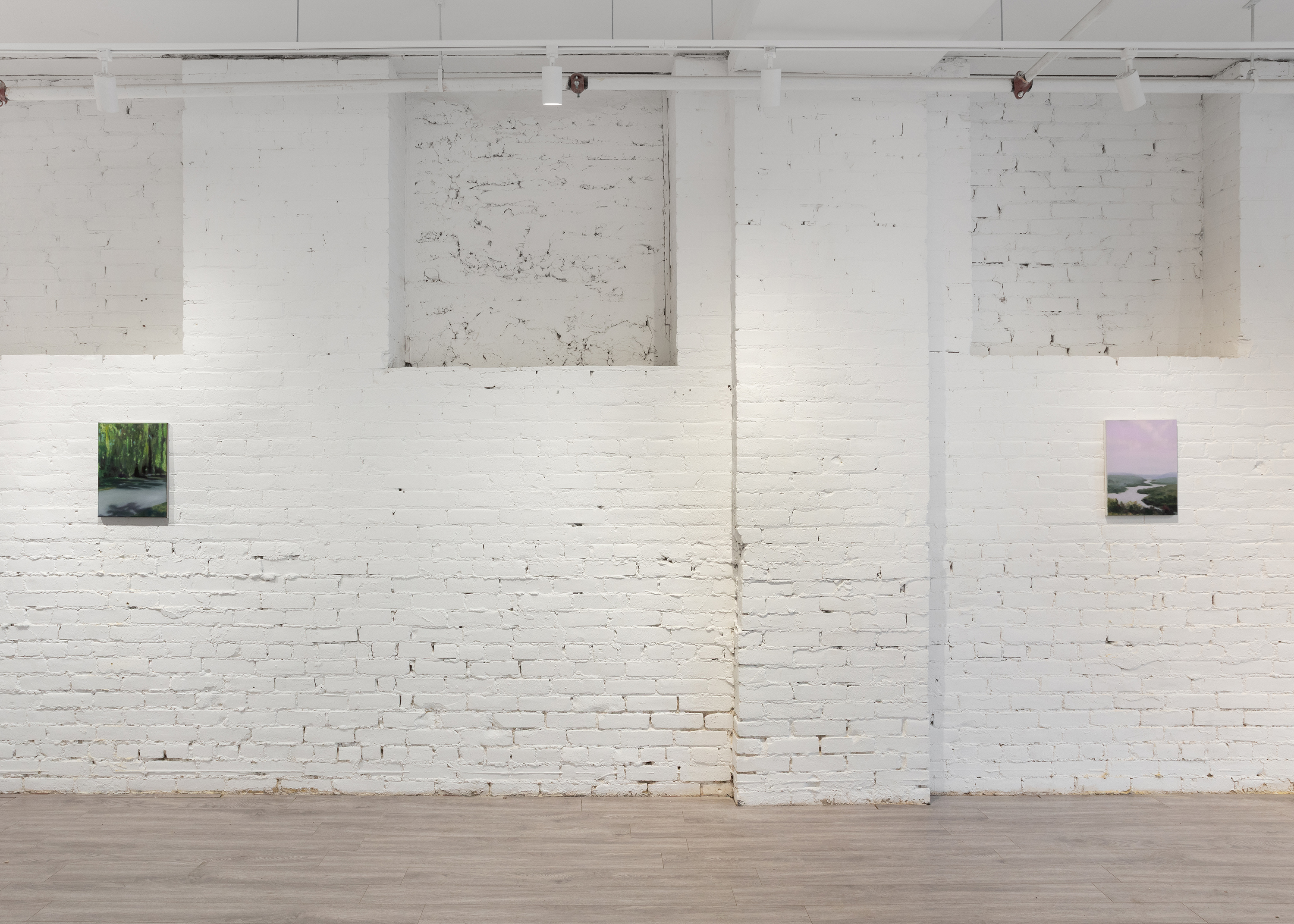
I choose my images in an instinctual way... I keep a vast archive but usually select an image to work with quickly and just prior to painting; I’m looking to be stirred by something to hold on to – a location, a quality of light, a memory, a wish, a mystery to solve…
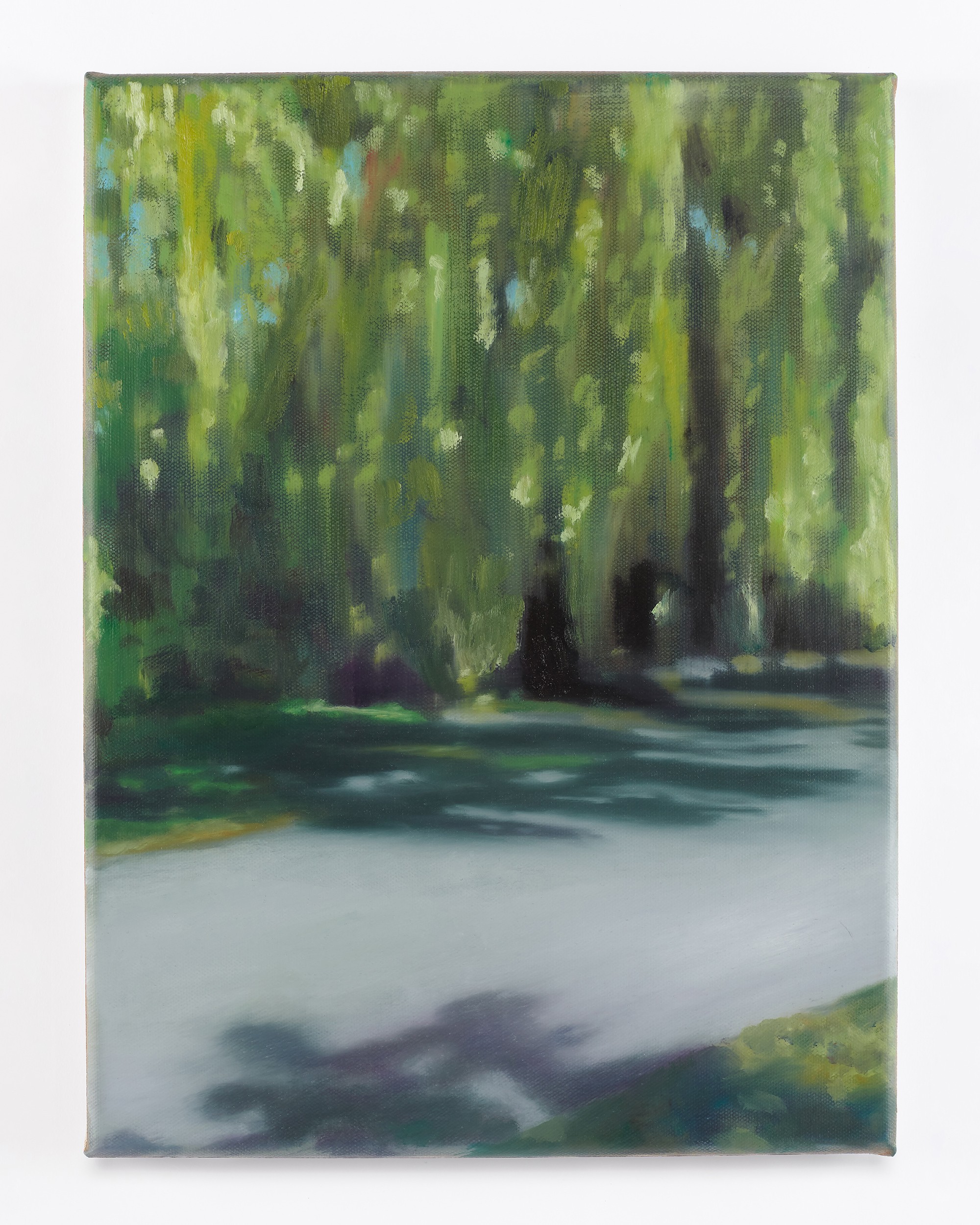
Oil on canvas | 16 x 12 in.
Towards: In a number of your more recent paintings, place – whether real or imagined – seems to be an important element. Can you speak a little bit about the role it plays within your work?
Matt Schust: Place is directly related to ideas about home and the fact that for me, ‘home’ is a largely unfixed idea and reality. I’ve always felt like an outsider looking in, or sort of alien in terms of belonging to a specific place. My grandparents on one side were Eastern European refugees who came to Canada to escape war. On the other side is a largely nomadic family who travelled all over North America for employment opportunities. As of now, no concrete place or home exists from my childhood, while family histories are scant or untrustworthy. Also, my partner lives in the UK and I’m based in Toronto, so it often feels like I’m trying to find solid ground, literally and figuratively.
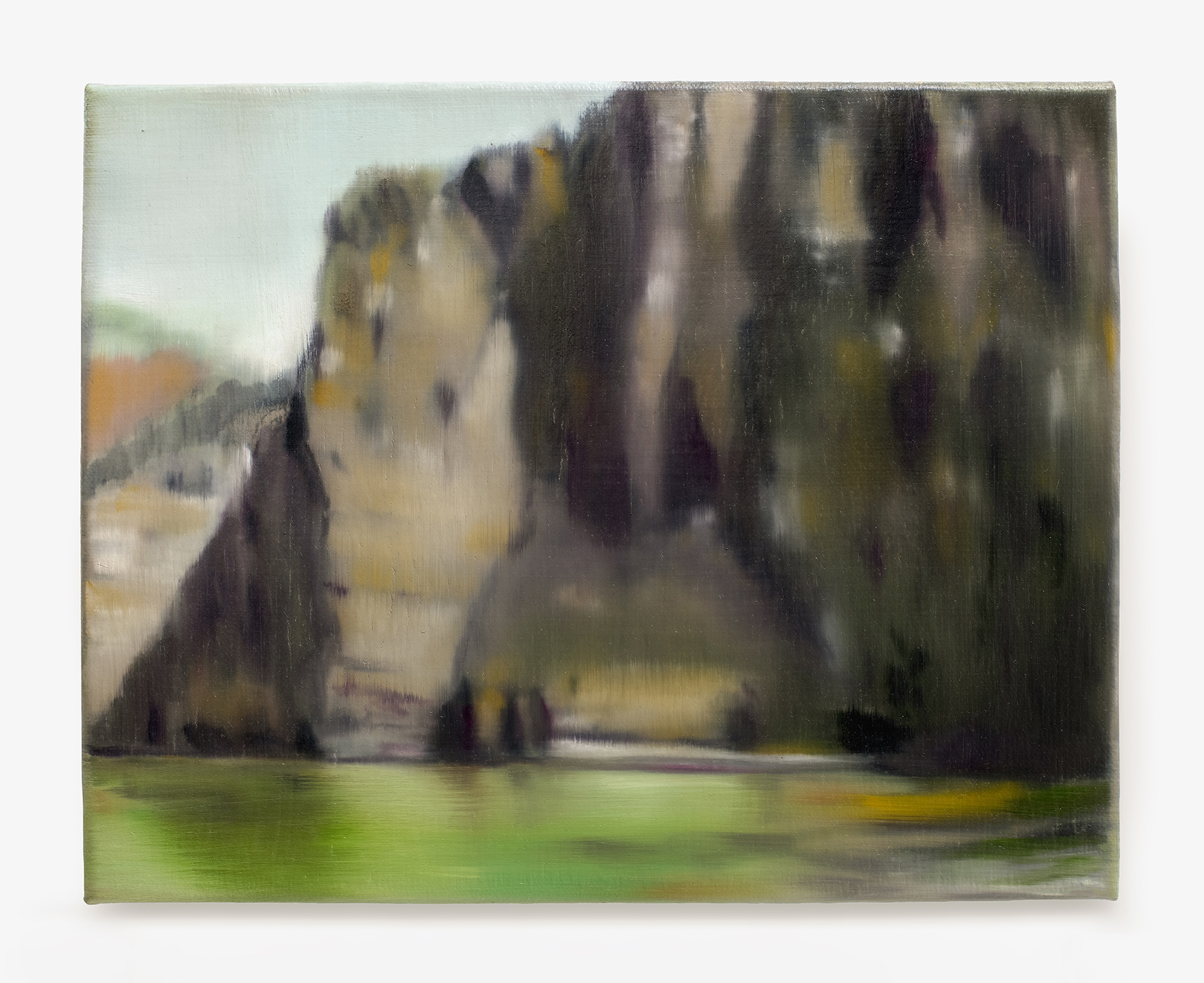
Oil on canvas | 11 x 14 in
Landscape features prominently in my work because it’s a place of enticing paradox: it’s where beauty and danger coexist on a knife’s edge. Many of the images I use are revisited multiple times in several paintings so that I can understand them more fully and fine tune their atmospheric qualities. Through this iterative process these chosen places become familiar, maybe even home-like.
In my work, place is a way of fact-checking a bank of disjointed memories; of trying to stay anchored in the world.
Towards: There is an atmospheric quality across your more recent paintings. For me – a certain haziness always makes me think of memory and how it’s an unreliable narrator – that our memories and experiences soften and dissipate over time – perhaps due to nostalgia, or a selective bias to only remember things in a way that we want to.
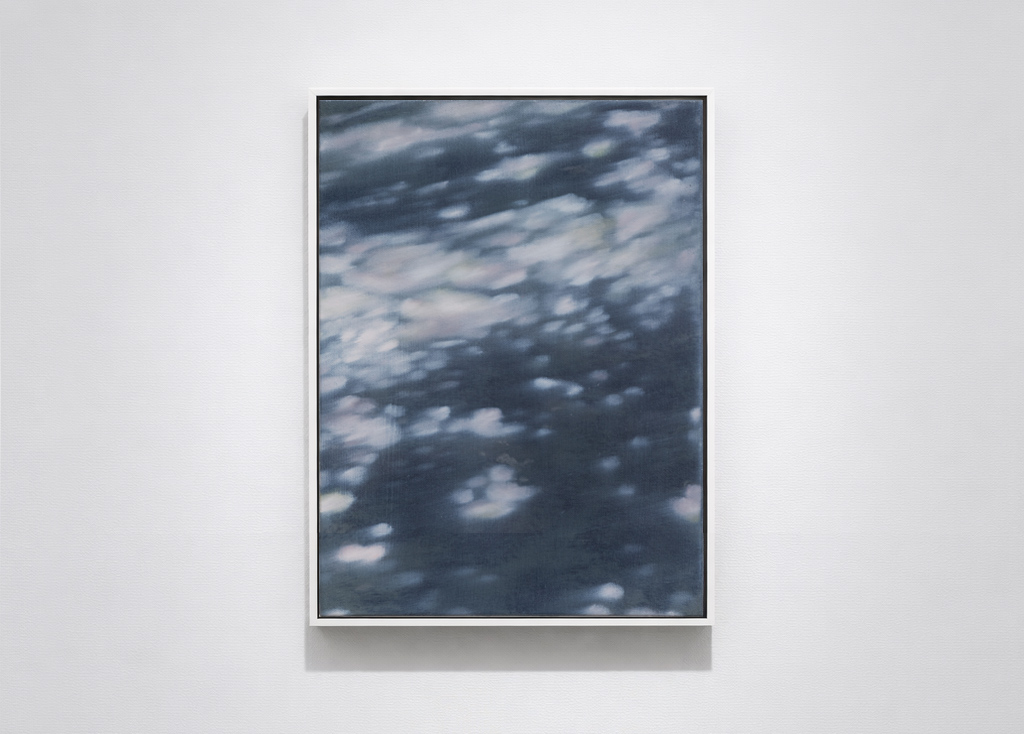
Oil on canvas | 16 x 12
Matt Schust: Misremembering can often lead to unexpected growth and new pathways, and it’s the unfixed qualities of memory, that, for me, hold creative value. Michelangelo Antonioni’s Blow Up – the ultimate anti-detective story – has been formative to much of my thinking around images, truth, memory, and perceptions of reality. I saw this film very early on in my art education and it continues to haunt me in the best possible way. The production and consumption of images and our mental states is madness and impossible to track. All of it is a blur. Like everyone else, I’m swimming through these unfixed waters – and I’d rather engage with asking questions than seeking fixed answers.
The atmospheric quality of the paintings is a result of my compulsion towards states of flux, transition, and the ethereal.
All images courtesy of the artist and Towards Gallery